
Marketing strategies encompass a variety of channels, each with its own strengths and limitations. Road advertisements, among other marketing channels, play distinctive roles in reaching and engaging target audiences.

An overview of the positive impacts of exterior road advertising on sales. Exterior road advertising, commonly seen in billboards, banners, and signs along highways and streets, has been a prominent marketing tool for decades. Its effectiveness in boosting sales can be attributed to several key factors:
High Visibility and Reach
Strategic Locations: Placed in high-traffic areas, these ads are visible to numerous commuters, increasing brand exposure.
24/7 Presence: Unlike other forms of advertising, exterior road ads are constantly visible, ensuring continuous brand visibility.
Brand Awareness and Recall

Frequent exposure to these ads reinforces brand recognition and aids in brand recall when consumers require the advertised product or service. While memorable design, Eye-catching visuals and concise messages enhance memorability, making it easier for potential customers to remember the brand or message.
Relevant Audience: Placing ads near specific locations or on routes frequented by the target audience ensures that the message reaches potential customers.
Local Appeal: For businesses targeting local customers, these ads can create a strong impact within the community.
Immediate Call to Action: Clear and concise messages, coupled with a strong visual impact, can prompt impulse purchases or influence consumers to act upon seeing the ad.
Building Trust: Consistent visibility and a professional appearance can instill trust and credibility in the brand, encouraging consumers to choose the advertised product or service.
Cost-Effectiveness and Longevity

Cost-Efficient Reach: Compared to some other forms of advertising, exterior road ads often offer a cost-effective means of reaching a large audience.
Longevity: Well-maintained ads can remain visible and effective for an extended period, ensuring a more prolonged impact on potential customers.
Adaptability and Innovation
Digital Advancements: Incorporating digital technologies into outdoor ads allows for dynamic content changes and interactivity, increasing engagement.
Creative Flexibility: Innovations in materials and design techniques offer more creative freedom, enhancing the visual appeal and effectiveness of these ads.
Impact on Sales: Studies have shown a positive correlation between increased outdoor advertising visibility and subsequent sales growth. Exterior road ads often work synergistically with other marketing efforts, reinforcing brand messaging and amplifying overall sales efforts. While measuring the precise impact of exterior road advertising on sales can be challenging due to various influencing factors, its ability to generate brand awareness, influence consumer behavior, and maintain cost-effectiveness contributes significantly to boosting sales for businesses that utilize this form of marketing.
History of Road Advertisements

Early Origins: Roadside advertising has roots dating back to ancient civilizations when signs and symbols were used to denote directions, trades, and services along trade routes. However, modern outdoor advertising evolved in the 19th century with the advent of billboards and posters.
19th Century Developments: The Birth of Billboards, The late 1800s saw the emergence of lithography, allowing for the mass production of posters. Companies began utilizing large posters along highways and railways to promote products and services. Outdoor Painted Signs, Prior to printed billboards, hand-painted signs adorned buildings and walls, serving as a precursor to today’s outdoor advertising.
20th Century Innovations: Technological advancements in printing facilitated the creation of more vibrant and durable outdoor advertisements. The growth of road infrastructure, especially in the US, led to an increased focus on roadside advertising as a means to reach a wider audience.
Digital Revolution

With the digital age came innovations in outdoor advertising, including LED screens, allowing for dynamic and interactive advertisements. Integration of data analytics and geotargeting allowed for more precise targeting of audiences based on location and demographics.
Here are examples of some highly effective road advertisements that significantly supported sales:
Coca-Cola’s Share a Coke Campaign
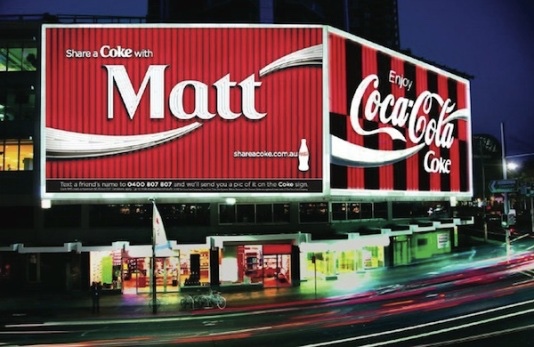
The Ad: Personalized billboards featuring names on Coca-Cola bottles, encouraging people to “Share a Coke with [Name].
Sales Impact: This campaign led to a surge in sales, with personalized bottles becoming sought-after items, driving consumer engagement and boosting sales significantly.
McDonald’s Billboard Rotation

The Ad: McDonald’s implemented a clever rotating billboard that showcased different menu items throughout the day based on meal times.
Sales Impact: The strategic placement and timing of these ads increased product visibility at appropriate times, resulting in higher sales of the featured items.
Audi’s Headlight Billboard

The Ad: Audi installed a billboard featuring the front of an Audi with LED headlights that turned on at night, mimicking the car’s lights.
Sales Impact: This attention-grabbing and innovative design increased brand visibility and generated buzz, potentially leading to increased showroom visits and sales inquiries.
KitKat’s Bench Advertisement

The Ad: KitKat created a bench that resembled its chocolate bar, complete with the logo and packaging.
Sales Impact: This unique and creative approach not only increased brand visibility but also generated social media buzz, potentially leading to increased product purchases.
The Economist’s Data-Driven Campaign

The Ad: The Economist used real-time data to create dynamic and relevant billboards, showcasing headlines and statistics related to current events.
Sales Impact: The contextual and timely nature of the ads increased brand engagement, potentially driving subscriptions and sales among the target audience.
These examples demonstrate how well-executed road advertisements can create buzz, drive engagement, and ultimately support sales by increasing brand visibility, generating interest, and prompting action from consumers.
Future Expectations of Road Advertisements

Continued advancements in technology will likely result in more interactive and personalized outdoor ads, engaging viewers on a deeper level.
AI-driven algorithms will enable real-time adjustments to content based on audience demographics and behavior.
Expectations for eco-friendly advertising will increase, driving the use of sustainable materials and energy-efficient displays.
Creative and unconventional designs will continue to captivate audiences, utilizing unconventional shapes and materials.
As cities become smarter, road advertisements may integrate with city systems, providing real-time information and services to commuters.
AR technology could enhance outdoor ads, providing immersive experiences for viewers.
Improved measurement tools will allow for more accurate assessment of the effectiveness of outdoor advertisements, facilitating better ROI measurement.
Refinement of attribution models will help marketers better understand the direct impact of road advertisements on consumer behavior and sales.
With evolving privacy concerns and regulations, the industry might need to adapt its targeting methods to comply with changing legal landscapes.
Road Ads vs Other Marketing Channels

Each marketing channel offers unique advantages and challenges. Road advertisements excel in continuous visibility and local targeting, while digital marketing allows for precise audience targeting and interactivity. TV and radio provide broad reach, whereas print media offers tangibility and niche targeting. An effective marketing strategy often involves a combination of these channels to maximize reach, engagement, and impact, aligning with the goals and preferences of the target audience.
Road Advertisements (Billboards, Signs, etc.)
Strengths: Positioned strategically along roads and highways, offering exposure to a diverse audience, including commuters and pedestrians.
24/7 visibility ensures repeated exposure to passing traffic, enhancing brand recall. Placement in specific areas can target local audiences effectively.
Limitations: Typically, brief exposure limits the depth of engagement compared to other interactive marketing channels. Unlike digital marketing, road ads lack direct interaction or immediate response mechanisms.
Digital Marketing (Social Media, PPC, SEO, etc.)
Strengths: Utilizes data analytics to precisely target specific demographics, interests, and behaviors.
Facilitates two-way communication, enabling direct engagement and feedback from the audience. Provides immediate and detailed analytics to measure campaign performance and ROI.
Limitations: Over-saturation on digital platforms may lead to ad fatigue and decreased effectiveness. Evolving privacy regulations and consumer concerns can limit data usage for targeting.
TV and Radio Advertising

Strengths: TV and radio still offer broad audience reach, especially for mass-market products or services. Engages through audio-visual storytelling, creating emotional connections with the audience.
Limitations: With the rise of streaming services and personalized content consumption, reaching a mass audience can be challenging. Ads have a shorter lifespan compared to road advertisements, especially in digital mediums.
Print Media (Newspapers, Magazines, etc.)
Strengths: Print media offers a tangible format, often perceived as more credible by certain demographics. Specific publications cater to niche audiences, allowing for targeted marketing.
Limitations: Print media readership has been declining due to the rise of digital consumption. Ads in print media have a short lifespan compared to road advertisements.
Measuring the performance of road advertisements involves a combination of quantitative data analysis, qualitative feedback, and comparative assessments. Integrating these insights into annual sales target planning allows for more informed decision-making, optimizing the allocation of resources and maximizing the impact of road advertisements on overall sales objectives.
Significant evolution, from hand-painted signs to dynamic digital displays. Its future is poised for further innovation, driven by technology, sustainability, and audience engagement. With continued advancements in targeting, creativity, and integration with smart infrastructure, road advertisements are likely to remain a powerful tool for marketers, adapting to changing consumer behavior and technological landscapes.
 HossamAssaf
Leave a comment