
Marketing and branding strategies for hotels, particularly those in Saudi Arabia and in close proximity to holy mosques, are crucial for attracting guests and establishing a unique identity in the hospitality industry.
These hotels occupy a distinct niche, serving a special demographic of travelers whose journeys are deeply rooted in spirituality and religious devotion.
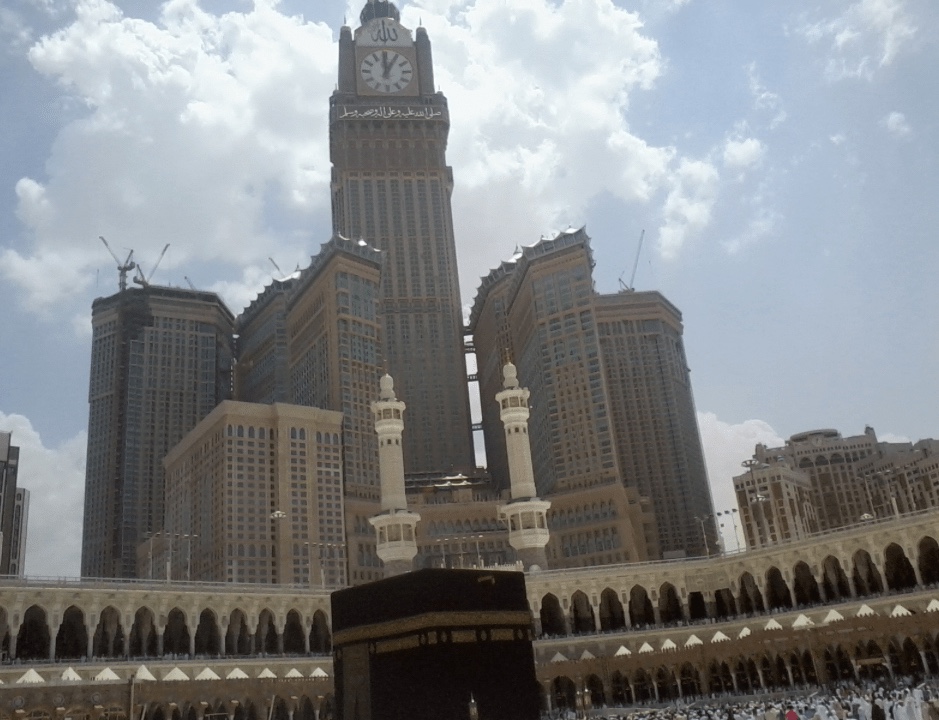
Their success hinges not merely on providing accommodation but on crafting an environment that caters to the soulful needs of guests undertaking a spiritual quest. These travelers seek more than just a place to rest; they yearn for an immersive experience that seamlessly integrates their religious rituals with the comforts of modern hospitality.
The challenge for hotels in these areas lies in articulating and delivering an experience that is both reverential and luxurious. It requires a delicate balance between spiritual reverence, convenience, and top-notch service—a blend that resonates with the heart and mind of pilgrims from diverse backgrounds and cultures.
Crafting marketing and branding strategies tailored to convey this unique blend becomes not just a business endeavor, but a pursuit of facilitating a deeper connection between the pilgrim and their faith.
Thus, understanding the nuances of this specialized market and tailoring every aspect of the hotel’s identity, services, and communication to align with the spiritual aspirations of their guests becomes paramount. It’s not just about selling rooms; it’s about curating an experience that enriches the pilgrims’ spiritual journey, making it more profound and memorable.
Understanding the Market
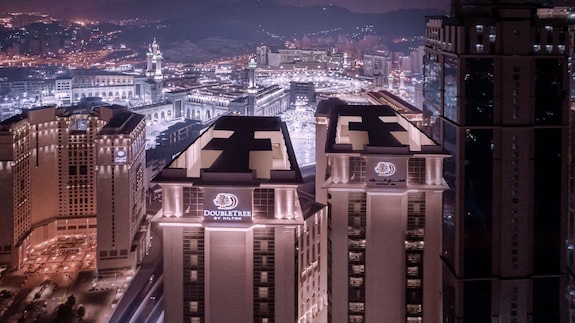
Saudi Arabia, home to the holy cities of Mecca and Medina, attracts millions of pilgrims annually. Hotels in these areas cater to religious travelers seeking proximity and convenience to the holy sites, requiring specialized marketing approaches.
The allure of Saudi Arabia as the spiritual epicenter of Islam draws millions of pilgrims each year, creating a unique landscape for hospitality businesses, especially hotels nestled near the sacred sites of Mecca and Medina. These sites, bedecked with historical significance and religious reverence, magnetize devout followers from across the globe, transforming these cities into hubs of spiritual confluence.
For hotels fortunate enough to grace the proximity of these holy sites, the demand transcends the conventional traveler’s needs. Understanding the pulse of this unique market is akin to deciphering the intricate layers of spirituality, tradition, and aspiration that envelop each traveler. It’s recognizing that every guest, regardless of their background or nationality, arrives with a shared purpose: to embark on a spiritual odyssey. This necessitates hotels to evolve from traditional hospitality models to become custodians of a spiritual sojourn, offering not just rooms but sanctuaries that nurture the soul.
In this distinctive niche, the principles of marketing transcend mere promotional tactics. They metamorphose into a conduit for understanding the pilgrim’s journey—their aspirations, challenges, and desires. Marketing strategies pivot around crafting an experience, a sacred narrative that resonates with the pilgrims’ hearts, beckoning them toward a haven that not only accommodates but elevates their spiritual quest.
Therefore, comprehending the nuances of this unique market isn’t solely about forecasting demand or analyzing trends; it’s about empathizing with the pilgrims’ intrinsic yearning for a seamless blend of religious devotion and luxurious comfort.
Unique Selling Proposition (USP)

Highlighting features like prayer facilities, views of the mosques, and easy access can set these hotels apart.
The Unique Selling Proposition (USP) for hotels in proximity to holy mosques encompasses a multi-faceted approach that converges convenience, spirituality, and comfort into an unforgettable guest experience.
Proximity stands as the cornerstone of this USP. The hotels’ strategic location offers more than just convenience; it provides an unparalleled opportunity for guests to immerse themselves in the spiritual aura of these revered sites. Emphasizing this proximity isn’t merely about geographical distance; it’s about emphasizing the spiritual closeness that guests can feel to the holy mosques. The promise of being within steps or a glance away from these sacred places serves as a powerful draw for pilgrims seeking a deep connection with their faith.
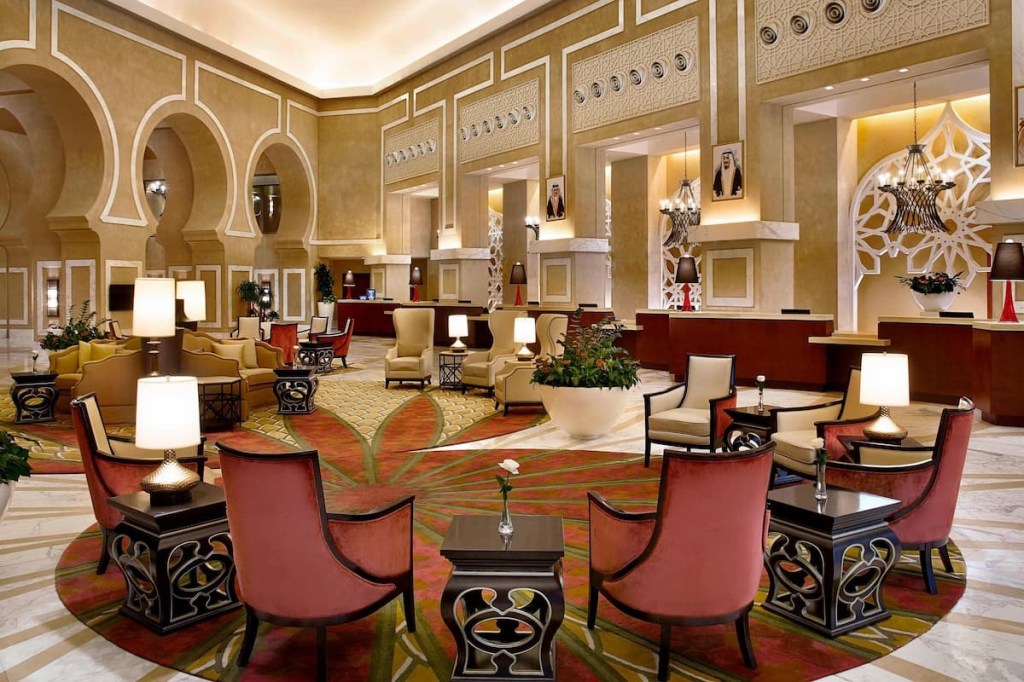
Design elements, such as calming interiors, designated prayer areas adorned with artistic calligraphy, and architectural motifs reflecting Islamic heritage, contribute to fostering a sense of serenity and reverence. The ambiance aims to provide a seamless extension of the sacredness experienced at the holy sites, allowing guests to maintain their spiritual focus throughout their stay.
Moreover, ensuring easy access to religious sites isn’t merely a convenience—it’s a promise fulfilled. Hotels that provide shuttle services, private entrances, or exclusive pathways to the mosques alleviate logistical burdens for pilgrims. Highlighting these features demonstrates a commitment to ensuring a hassle-free pilgrimage, enhancing the overall spiritual journey and minimizing distractions from the core purpose of the visit.
Beyond these, offering comprehensive prayer facilities within the hotel premises forms a fundamental aspect of the USP. From Qibla direction indicators in rooms to spacious prayer halls equipped with amenities for congregational prayers, these facilities align with the guests’ spiritual needs, fostering a seamless integration of religious rituals into their stay.
Additionally, rooms with panoramic views of the mosques not only offer aesthetic pleasure but also provide guests with a constant visual connection to the spiritual center of their journey. Such views become more than a picturesque feature; they become a focal point that reinforces the significance of the pilgrimage, adding depth and meaning to the guests’ experience.
In essence, the USP of these hotels resides in their ability to seamlessly intertwine the physical proximity to holy sites with a spiritual ambiance, uncompromising access, and comprehensive facilities that cater to the pilgrims’ spiritual needs. It’s about offering an experience that doesn’t just accommodate but elevates the guests’ spiritual sojourn.
Digital Presence
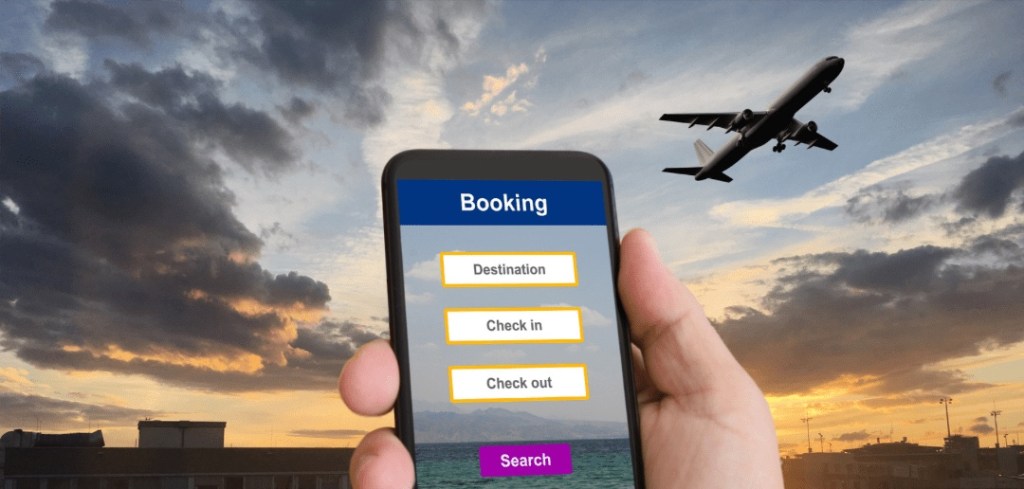
In today’s digital age, a robust online presence is vital. Optimizing websites with keywords related to pilgrimage, religious comfort, and ease of access can improve search engine visibility. Utilizing social media platforms to showcase serene atmospheres, religious events, and testimonials can engage potential guests.
Creating a robust digital presence for hotels near holy mosques involves a meticulous blend of technological finesse, storytelling, and empathetic engagement to resonate with the pilgrims’ aspirations.
Website Optimization
The hotel’s website acts as the gateway to the guests’ perception. It should be more than a mere online brochure; it should embody the essence of the pilgrim’s journey. Optimizing the website involves meticulous keyword integration, ensuring that search engine algorithms effortlessly guide seekers of spiritual accommodation to the site. Keywords related to pilgrimage, religious comfort, proximity to holy sites, and ease of access act as the guiding beacons.
Additionally, the website serves as an immersive canvas where the hotel’s story intertwines with the pilgrim’s narrative. Visual storytelling through high-quality images and videos showcasing serene atmospheres, prayer facilities, and moments of spiritual reflection offer a glimpse into the transformative experience awaiting guests. Detailed descriptions of services, amenities, and packages tailored to cater to the spiritual needs of pilgrims form the cornerstone of this digital sanctuary.
Social Media Engagement

The dynamic realm of social media becomes a platform for evoking emotions and forging connections. Social platforms provide an avenue to showcase more than just brick and mortar; they unfold the spiritual ambiance and vibrant experiences awaiting pilgrims. By curating engaging content that resonates with the pilgrims’ aspirations—be it serene sunrise views of the mosques, testimonials of fulfilled spiritual journeys, or insights into religious events—the hotel establishes an emotional connection with its audience.
Strategic use of platforms like TikTok, Instagram, Facebook, Threads and X allows hotels to share glimpses of the spiritual sanctuaries they offer. Live streams of religious ceremonies, behind-the-scenes views of spiritual preparations, and interactive posts engaging guests in discussions about their spiritual quests create a sense of community and anticipation.
Furthermore, leveraging user-generated content and testimonials can amplify authenticity. Sharing guests’ stories, testimonials, and their transformative experiences not only serves as social proof but also fosters a sense of trust and relatability among potential guests.
Interactive and Responsive Platforms
Ensuring a seamless and user-friendly digital experience is imperative. From responsive web design to intuitive navigation, the digital platforms must reflect the hotel’s commitment to convenience and accessibility. Mobile-friendly interfaces and prompt response mechanisms to inquiries or booking requests enhance the overall user experience, mirroring the hotel’s dedication to ensuring a hassle-free pilgrimage.
The digital presence isn’t just about visibility; it’s about crafting an immersive online narrative that mirrors the sanctity, comfort, and accessibility of the physical space. It’s about using technology not just to inform but to emotionally connect with pilgrims, compelling them to embark on a spiritual journey that begins long before they set foot in the holy sanctuary of the hotel.
Targeted Campaigns

Tailored marketing campaigns, especially during religious events or peak pilgrimage seasons, can attract pilgrims. Offering special packages inclusive of guided tours, shuttle services to mosques, and accommodations can be a strong selling point.
Crafting targeted campaigns tailored to religious events and peak pilgrimage seasons requires a delicate balance of anticipation, cultural sensitivity, and a deep understanding of the pilgrims’ needs and desires.
Timing and Relevance
Understanding the religious calendar and significant events is paramount. Aligning marketing campaigns with events such as Ramadan, Hajj, or Umrah enables hotels to resonate with pilgrims during moments of heightened spiritual fervor. These campaigns should exude reverence and anticipation, acknowledging the significance of these occasions in the pilgrims’ lives.
Special Packages and Services
Offering specialized packages that go beyond accommodation becomes a pivotal selling point. These packages should cater to the holistic needs of pilgrims, encompassing more than just a place to stay. Inclusive guided tours that provide insights into historical significance, spiritual teachings, and rituals associated with the holy sites can be a compelling addition. Shuttle services directly to the mosques or exclusive access during specific times enhance the pilgrims’ convenience and reinforce the hotel’s commitment to facilitating a seamless spiritual journey.
Cultural Sensitivity and Respect
Respecting and embracing the cultural nuances of the pilgrims is crucial. Campaigns should not only acknowledge but celebrate the diversity among pilgrims—acknowledging their varied backgrounds, traditions, and reasons for undertaking the pilgrimage. Sensitivity in communication, imagery, and promotional materials reflects the hotel’s understanding and respect for the pilgrims’ diverse experiences.
Personalized Engagement
Engaging potential guests through personalized outreach creates a sense of exclusivity and care. Direct communication channels, such as targeted emails or messages, offering insights into the tailored packages, exclusive offers, or early access to bookings, can instill a sense of anticipation and privilege among prospective pilgrims.
Measuring Success and Feedback
Metrics to track the success of these campaigns go beyond mere bookings. Evaluating feedback, analyzing engagement, and understanding the impact on guest experiences during and after their stay provide invaluable insights. Iterating and refining strategies based on this feedback ensures continuous improvement and relevance in subsequent campaigns.
In essence, targeted campaigns serve as bridges that connect the hotel’s offerings with the pilgrims’ aspirations. These campaigns aim not just to attract guests but to inspire them—to instill a sense of anticipation and longing for an experience that goes beyond accommodation, resonating with the very essence of their spiritual quest.
Collaborations and Partnerships

Partnering with travel agencies, religious organizations, and tour operators can broaden reach. Collaborative marketing efforts, joint promotions, and exclusive offers for their clients can mutually benefit both parties.
Establishing collaborations and partnerships within the realm of hotels near holy mosques requires a strategic approach aimed at synergy, mutual benefit, and an extended reach within the pilgrim community.
Strategic Alliances
Partnering with travel agencies, religious organizations, and tour operators is akin to forging alliances that expand the hotel’s reach beyond traditional marketing channels. It’s about creating a network where each entity leverages its strengths to collectively enhance the pilgrim’s journey.
Mutual Benefit
Collaborations should be structured as symbiotic relationships that offer value to both parties. For travel agencies and tour operators, partnering with hotels near holy mosques offers a unique selling point for their pilgrimage packages. Exclusive tie-ups granting their clients special rates, priority bookings, or additional services elevate the attractiveness of their offerings. In return, the hotel gains access to a wider pool of potential guests who are already inclined towards pilgrimage-related travel.
Joint Promotions and Marketing Efforts
Collaborative marketing endeavors amplify the visibility and credibility of both parties. Co-branded campaigns, joint advertisements, or featured spotlights within each other’s promotional materials accentuate the value proposition. Highlighting the convenience, comfort, and spiritual ambiance offered by the hotel through the networks and communication channels of partners reinforces the hotel’s position as a quintessential accommodation choice for pilgrims.
Exclusive Offers and Packages
Tailoring exclusive packages or offers for clients referred by partner entities becomes a compelling incentive. These offers may include discounted rates, complimentary services, or bundled packages that encompass accommodation, tours, and additional amenities. Such perks not only attract clients but also foster a sense of trust and endorsement through the partner’s recommendation.
Long-term Relationships
Nurturing long-term relationships with these partners is key. Continuous communication, feedback loops, and a collaborative approach to addressing challenges or evolving market needs contribute to the sustainability and growth of the partnerships. Regularly revisiting and refining collaboration strategies based on mutual goals and market dynamics ensures the partnerships remain fruitful and aligned.
Measuring Success
Tracking the success of these collaborations involves monitoring the number of referrals or bookings generated through partner channels. Additionally, assessing the satisfaction levels and feedback from guests referred by partners provides insights into the effectiveness of the collaboration. Utilizing these metrics helps in refining strategies and identifying areas for further improvement.
In essence, collaborations and partnerships aren’t merely about expanding the hotel’s reach; they’re about synergizing efforts to offer a seamless and enriched pilgrimage experience. It’s about weaving a network of trust, expertise, and shared values that resonate with the pilgrims, guiding them towards a spiritual sanctuary that goes beyond accommodation—it becomes an integral part of their sacred journey.
Reputation Management

Maintaining a positive reputation is essential. Encouraging and managing guest reviews, responding promptly to feedback, and addressing concerns effectively can bolster the hotel’s image.
Reputation management in the context of hotels near holy mosques is a continuous process that hinges on nurturing trust, transparency, and a commitment to excellence in guest experiences.
Encouraging Positive Guest Reviews
Actively encouraging guests to share their experiences through reviews and testimonials serves as a powerful tool in shaping the hotel’s reputation. This could involve gentle prompts during check-out, follow-up emails expressing gratitude for their stay, or even incentives for leaving reviews, emphasizing the importance of their feedback in improving services.
Responding Promptly and Thoughtfully
Prompt responses to guest reviews, whether positive or negative, demonstrate attentiveness and care. Acknowledging positive feedback with gratitude and addressing any concerns or criticisms with empathy and a willingness to resolve issues swiftly helps in nurturing a positive image. Each response is an opportunity to showcase the hotel’s commitment to guest satisfaction.
Addressing Concerns Effectively
Acting upon constructive feedback is integral to reputation management. Each critique or concern voiced by a guest is an opportunity for improvement. Whether it’s rectifying a service lapse, enhancing amenities, or refining processes, proactively addressing issues not only resolves immediate concerns but showcases the hotel’s dedication to evolving and bettering guest experiences.
Proactive Communication and Transparency
Maintaining open lines of communication with guests before, during, and after their stay builds transparency. Providing clear information about services, amenities, and any ongoing improvements or renovations helps manage guest expectations. Transparent communication fosters trust and reduces the likelihood of misunderstandings or dissatisfaction.
Consistency in Service Excellence

Consistency is key to reputation management. Ensuring that the quality of service, adherence to religious and cultural sensitivities, and personalized experiences remain consistent across all guest interactions upholds the hotel’s reputation. Consistency builds reliability, which contributes to positive word-of-mouth and repeat visits.
Monitoring Online Reputation
Vigilantly monitoring online platforms, including review sites, social media channels, and travel forums, helps in staying abreast of guest feedback. Employing tools to track and analyze sentiments, trends, and guest satisfaction levels aids in understanding the pulse of the guests and allows for agile responses to emerging issues.
Celebrating Successes and Milestones
Sharing positive feedback or milestones achieved—be it awards, certifications, or recognition for exceptional service—reinforces the hotel’s credibility and enhances its reputation. Celebrating successes publicly acknowledges the dedication of the staff and reassures potential guests of the hotel’s commitment to excellence.
Learning and Continuous Improvement
Embracing a culture of learning from guest feedback and continuously striving for improvement forms the foundation for sustained reputation management. Evaluating feedback, implementing changes, and iterating on strategies based on guest input fosters an environment of growth and evolution.
Reputation management goes beyond the management of opinions; it’s about cultivating an environment of trust, responsiveness, and continuous improvement. A positive reputation becomes the hallmark of a hotel’s commitment to ensuring each guest’s spiritual journey is met with excellence, respect, and unwavering dedication.
Sustainable and Ethical Practices

Promoting eco-friendly initiatives and adherence to ethical standards can attract conscious travelers. Highlighting responsible tourism efforts resonates well with a global audience seeking sustainable options.
Implementing sustainable and ethical practices within hotels near holy mosques not only contributes to environmental conservation but also aligns with the values of conscious travelers, fostering a deeper connection with guests and the community.
Environmental Initiatives
Implementing eco-friendly practices such as energy-efficient lighting, water-saving measures, waste reduction, and recycling programs demonstrates a commitment to environmental preservation. Utilizing renewable energy sources or integrating solar panels not only reduces the hotel’s carbon footprint but also showcases a dedication to sustainability.
Green Certifications and Accreditations
Attaining recognized eco-certifications or adhering to established sustainability standards bolsters the hotel’s credibility. Certifications like LEED (Leadership in Energy and Environmental Design) or Green Globe signify a commitment to environmentally responsible practices, attracting eco-conscious guests seeking accommodations aligned with their values.
Local Community Engagement
Engaging with the local community through initiatives that support environmental conservation or community development reinforces the hotel’s ethical stance. Partnering with local NGOs or contributing to community projects, such as tree planting drives, waste management programs, or educational workshops on sustainability, fosters goodwill and positive relationships within the community.
Responsible Resource Management
Efficient resource management, including sourcing locally produced goods, using eco-friendly cleaning products, and reducing single-use plastics, showcases the hotel’s dedication to responsible resource utilization. Implementing measures to minimize food waste or donating surplus food to charitable organizations aligns with ethical practices and community welfare.
Guest Engagement and Education
Educating guests about the hotel’s sustainable initiatives and encouraging their participation reinforces the commitment to responsible tourism. Providing information about ways guests can contribute, such as reusing towels, conserving water, or participating in on-site sustainability programs, empowers guests to be part of the hotel’s sustainability journey.
Marketing Sustainable Efforts
Highlighting these sustainable initiatives through marketing campaigns, website content, and social media platforms amplifies the hotel’s commitment to ethical practices. Illustrating the impact of these efforts, sharing success stories, and showcasing measurable outcomes resonate with conscious travelers seeking accommodations that align with their values.
Transparency and Accountability
Maintaining transparency about the hotel’s sustainability efforts, disclosing goals, progress, and any challenges encountered, builds trust and accountability. Being open about successes and setbacks in sustainability initiatives reinforces the hotel’s commitment to honest and responsible practices.
Sustainable and ethical practices within hotels near holy mosques go beyond environmental conservation; they embody a commitment to ethical values, community engagement, and responsible tourism. These initiatives create a profound connection with conscious travelers seeking accommodations that not only offer comfort but also contribute positively to the environment and society.
Continuous Innovation

Adapting to evolving guest needs and technological advancements is crucial. Incorporating smart hotel technology, such as mobile apps for room service or virtual concierge, enhances convenience.
Continuous innovation within hotels near holy mosques involves a proactive approach to meeting evolving guest expectations, embracing technological advancements, and enhancing convenience while preserving the sanctity of the spiritual experience.
Smart Hotel Technology Integration
Incorporating cutting-edge technology such as mobile apps for room service, virtual concierge services, or digital check-in/check-out processes streamlines guest experiences. These innovations offer convenience without compromising the spiritual ambiance, allowing guests to manage their stay efficiently while staying connected to their spiritual journey.
Mobile Apps for Enhanced Services
Developing dedicated mobile apps that cater to guests’ religious needs, such as providing prayer time reminders, Qibla direction indicators creates a seamless integration of spirituality and technology. These apps become tools that complement the guests’ spiritual journey while staying at the hotel.
Virtual Tours and Interactive Content
Leveraging virtual reality or augmented reality technologies to offer immersive virtual tours of holy sites or educational content enhances guests’ understanding and connection with the spiritual significance of their journey. Interactive content not only educates but also enriches the guest experience.
IoT and Personalization
Utilizing the Internet of Things (IoT) to personalize guest experiences by integrating smart devices within rooms—such as automated temperature control, lighting preferences aligned with prayer times, or personalized greetings—creates a tailored and comfortable environment aligned with guests’ religious and personal needs.
Sustainability through Technology
Innovative technologies can also contribute to sustainability efforts. Implementing energy management systems, smart sensors for optimizing water usage, or AI-powered analytics for efficient resource allocation aligns with eco-friendly practices while leveraging technology for responsible resource management.
Data-Driven Insights for Guest Preferences
Utilizing guest data and analytics to gain insights into preferences and behavior patterns allows for personalized services. Understanding guests’ religious practices, preferences for specific amenities, or preferred dining options empowers the hotel to anticipate and meet individual needs effectively.
Stay Updated with Emerging Trends
Continuous engagement with industry trends, attending technology expos, and investing in research and development allows the hotel to stay ahead of the curve. By adopting emerging technologies and trends, the hotel maintains relevance and meets guests’ evolving expectations.
Guest Feedback and Iterative Improvements
Actively seeking guest feedback about technological implementations ensures continuous improvement. Iteratively refining technology-based services based on guest suggestions or preferences allows for fine-tuning experiences to align more effectively with guests’ spiritual quests.
Events and Engagements

Hosting religious seminars, cultural events, or offering educational sessions can engage guests beyond their stay, fostering a sense of community and loyalty.
Religious Seminars and Educational Sessions
Organizing religious seminars led by knowledgeable speakers, scholars, or religious leaders creates a platform for guests to deepen their understanding of religious teachings, rituals, and historical significance. These sessions contribute to guests’ spiritual enrichment, offering insights that extend beyond the physical pilgrimage.
Cultural Events and Celebrations
Celebrating cultural events, traditional ceremonies, or festivals related to religious occasions adds vibrancy and richness to the guests’ experience. Events like Eid celebrations, cultural performances, or exhibitions showcasing local arts and crafts immerse guests in the cultural tapestry of the region, fostering a sense of belonging and connection.
Community Engagement and Charity Events:
Organizing charity drives, or initiatives that give back to the local community align with the spirit of generosity ingrained in religious teachings. Guests actively participating in these events feel a sense of fulfillment and contribute positively to the local community, fostering a bond beyond their stay.
Continuous Engagement
Maintaining engagement even after guests’ departure through newsletters, online forums, or follow-up communication keeps the connection alive. Sharing highlights of past events, upcoming activities, or insights from previous seminars keeps guests engaged and connected with the hotel community.
Feedback and Tailoring Future Events
Soliciting feedback from guests about their event experiences helps in tailoring future events to better meet their preferences. Understanding what resonates with guests allows for the curation of events that are meaningful and impactful.

In the competitive hotel industry near holy mosques, effective marketing and branding strategies that emphasize proximity, spiritual services, personalized experiences, and ethical practices can significantly contribute to a hotel’s success. The key lies in understanding guest needs, aligning services with religious sentiments, and consistently delivering exceptional experiences.
The convergence of proximity, spiritual resonance, personalized experiences, and ethical practices serves as the compass guiding these hotels toward success. Proximity isn’t just geographical; it’s the spiritual connection that beckons pilgrims seeking a sanctuary close to the holy sites. Spiritual services, personalized to cater to diverse religious practices, form the bedrock of an enriched guest experience, fostering a deep and meaningful connection.
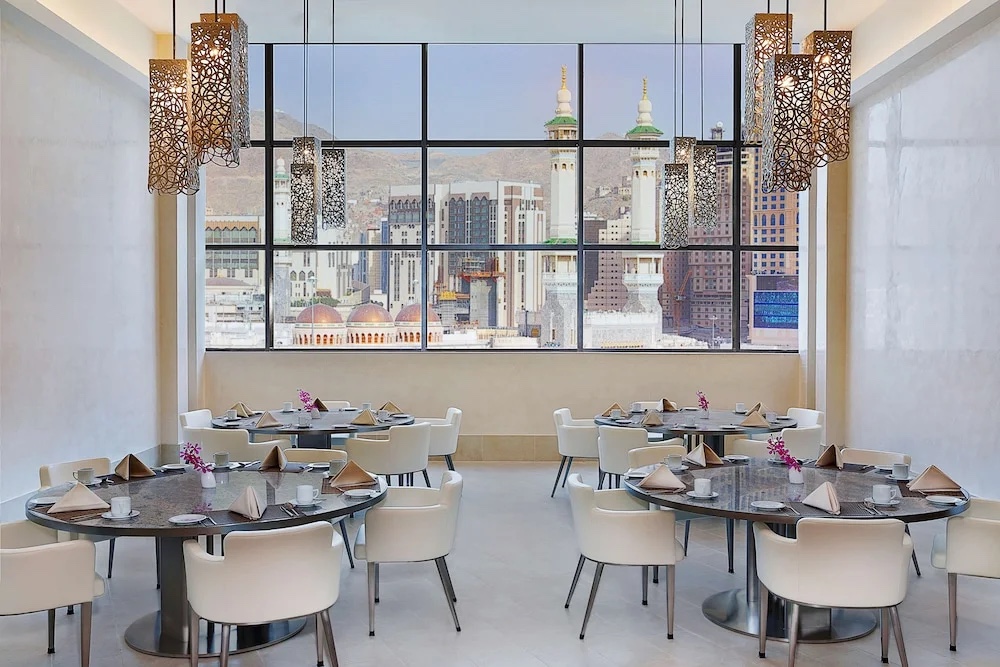
Ethical practices that resonate with conscientious travelers underscore the hotel’s commitment to a higher purpose, aligning with values that transcend mere comfort. The consistent delivery of exceptional experiences, rooted in an unwavering dedication to guest satisfaction, solidifies the hotel’s position as a haven of divine hospitality.
Understanding the intricate tapestry of guest needs, aligning services with religious sentiments, and consistently exceeding expectations is the hallmark of a successful hotel near holy mosques. By embodying these principles, hotels elevate their status from mere accommodation providers to custodians of an unforgettable spiritual journey.
 HossamAssaf
Leave a comment