In the dynamic landscape of modern business, the success of a brand is intricately woven into its ability to resonate with its audience, deliver on promises, and evolve with changing expectations. In this pursuit, feedback becomes the compass guiding brands toward growth, adaptability, and success. Enter 360-degree feedback—a powerful mechanism that goes beyond traditional feedback channels, offering a panoramic view of a brand’s performance, perception, and potential.

At its core, 360-degree feedback encompasses insights collected from various stakeholders—customers, employees, partners, and competitors. This comprehensive approach paints a holistic picture, bridging the gap between a brand’s self-perception and its external portrayal. The multifaceted nature of this feedback mechanism makes it an invaluable tool for brand development and strategy refinement.
Identifying Strengths and Weaknesses
360-degree feedback stands as a beacon, illuminating the path toward a deeper understanding of a brand’s identity—both its shining facets and the areas that require polishing. This multifaceted approach gathers insights from diverse vantage points, painting a comprehensive portrait of a brand’s strengths and vulnerabilities.
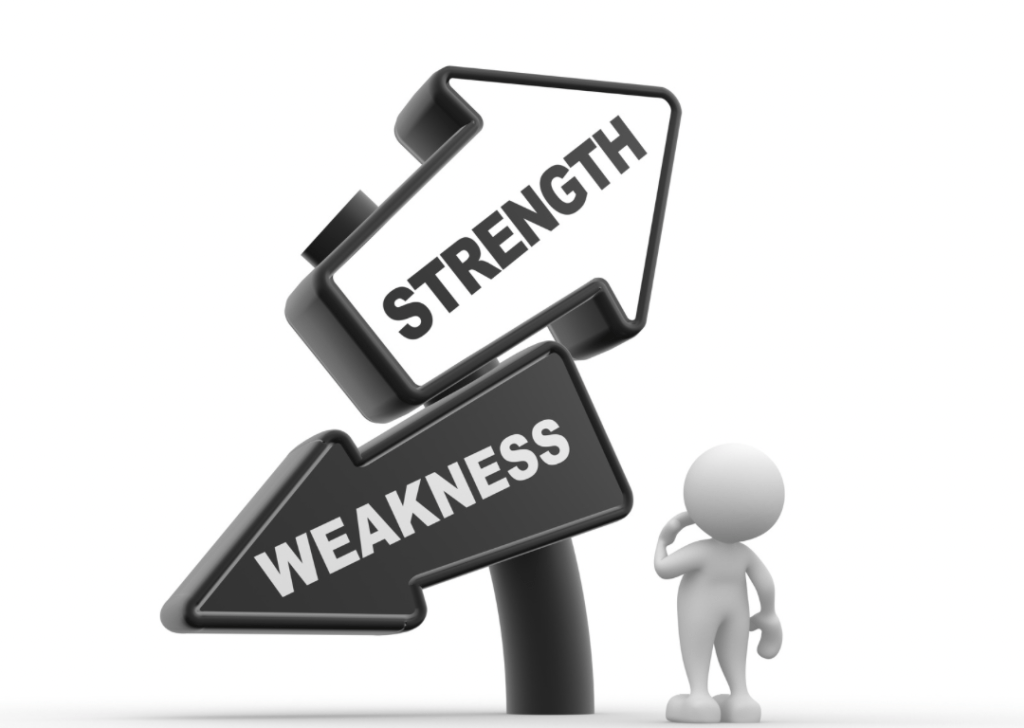
By harnessing the perspectives of stakeholders—customers, employees, partners, and competitors—brands gain an unparalleled advantage. They uncover nuances that might otherwise remain hidden, discovering the aspects that captivate their audience and the elements that might miss the mark. The invaluable insights derived from this holistic feedback mechanism provide a clear roadmap for brand refinement.
Through this process, brands unearth not just their triumphs but also their blind spots—areas where self-perception may diverge from external perception. Consider a scenario where a brand perceives its customer service as exceptional, yet 360-degree feedback reveals areas of improvement in responsiveness or problem resolution. This revelation becomes a pivotal point, steering the brand towards targeted improvements that resonate with customer expectations and enhance overall brand experience.
360-degree feedback allows brands to spot unexplored opportunities and capitalize on existing strengths. For instance, a brand might uncover a unique aspect of its service that consistently receives high praise from customers. This revelation becomes a cornerstone for the brand’s strategy, emphasizing and amplifying this distinctive feature to strengthen its market position.
This comprehensive feedback mechanism acts as a mirror, reflecting not just what a brand perceives itself to be, but also what it truly is in the eyes of its stakeholders. Armed with this panoramic view, brands can strategically leverage their strengths, shore up weaknesses, and steer their trajectory toward greater resonance and success.
Aligning Your Brand with Goals
A brand’s success is not just about its identity; it’s equally about how well it aligns with its aspirations, values, and future vision. Enter 360-degree feedback—a compass that navigates brands toward this alignment, steering their course in sync with their overarching goals.

By tapping into a diverse pool of feedback sources, brands gain invaluable insights into the alignment—or lack thereof—between their perceived image and their strategic objectives. This panoramic view offers a bird’s-eye perspective on how stakeholders perceive the brand’s alignment with its core values, mission, and long-term vision.
Consider a scenario where a brand aims to be an industry leader in sustainability. The brand might internally perceive its efforts as substantial, yet 360-degree feedback reveals a discrepancy—external stakeholders might not perceive the brand as environmentally conscious or socially responsible. This revelation becomes a pivotal moment, propelling the brand to reevaluate its strategies, recalibrate its messaging, and realign actions with its sustainability goals.
This feedback mechanism acts as a litmus test for brand resonance with stakeholder expectations and needs. Brands can use this data to fine-tune their strategies, ensuring their offerings and communications remain in sync with what their audience desires. It’s a continual cycle of improvement, where brands evolve their strategies based on real-time, diverse feedback, ensuring they remain agile and adaptive in a dynamic market landscape.
This alignment doesn’t just impact strategy but also enhances credibility and trust. Brands that actively seek and act upon feedback demonstrate a commitment to growth, transparency, and meeting stakeholder expectations. This fosters a sense of reliability and credibility, reinforcing the brand’s position as a trusted entity that not only listens but also responds to its stakeholders’ needs.
Improving Communication and Collaboration
In the realm of brand development, effective communication and collaboration serve as pillars supporting sustainable growth and resonance. Enter 360-degree feedback—a catalyst propelling brands toward enhanced communication prowess and collaborative synergy.

The diverse array of feedback sources comprising 360-degree feedback opens doors to a deeper understanding of how a brand communicates and resonates across various touchpoints. It unveils insights into not only how a brand articulates its message but also how it listens and responds to feedback—a cornerstone of effective communication.
By leveraging this comprehensive feedback loop, brands refine their communication strategies, ensuring clarity, coherence, and resonance. For instance, a brand might perceive its messaging as crystal clear, yet feedback might reveal confusion among certain customer segments. Armed with this insight, the brand can recalibrate its messaging to resonate more effectively with diverse audience groups, fostering stronger connections and engagement.
Consider a scenario where a brand collaborates with diverse partners but faces challenges due to misaligned communication styles. Insights derived from 360-degree feedback shed light on these discrepancies, empowering the brand to adapt its communication and collaboration approaches to foster smoother, more productive partnerships.
This feedback mechanism acts as a shield against conflicts or misunderstandings that could tarnish a brand’s reputation. By actively seeking and embracing feedback, brands demonstrate their openness to understanding diverse perspectives, fostering an environment where conflicts are mitigated through clear, empathetic communication.
360-degree feedback serves as a cornerstone for building a communication-rich and collaboration-fueled environment—a space where brands not only articulate their message effectively but also actively engage and collaborate with stakeholders, fostering trust, rapport, and influence.
Enhancing Reputation and Credibility
In the bustling arena of brand development, reputation and credibility reign supreme, influencing customer loyalty, partnerships, and market positioning. Enter 360-degree feedback—a powerful tool shaping a brand’s narrative, bolstering its reputation, and fortifying its credibility.

The multifaceted nature of 360-degree feedback allows brands to showcase a commitment to continuous improvement and a culture of openness and transparency. By actively seeking feedback from diverse sources, brands signal a willingness to listen, learn, and evolve—a trait that resonates profoundly with stakeholders.
Acknowledgment and action upon feedback form the bedrock of brand enhancement. Imagine a scenario where a brand receives feedback highlighting a gap in its customer service quality. Acknowledging this feedback and implementing measures for improvement isn’t just a demonstration of responsiveness; it’s a testament to the brand’s commitment to bettering its offerings and experiences—a trait that resonates powerfully with customers.
Embracing and acting upon feedback isn’t just a strategic move—it’s a means to establish oneself as a reliable, professional, and valuable brand. Brands that actively engage with feedback create an ecosystem where stakeholders feel heard, valued, and appreciated. This, in turn, culminates in an elevated brand reputation—a reputation grounded not just in marketing prowess but in genuine interactions and improvements fueled by feedback.
The ripple effects of this commitment to feedback are far-reaching. Brands that actively seek and act upon feedback often witness an uptick in referrals and recommendations. Satisfied stakeholders, buoyed by their positive experiences, become brand advocates, amplifying the brand’s reach and influence.
360-degree feedback stands tall as an invaluable compass guiding brands through the labyrinth of the modern business landscape. It’s not merely a feedback mechanism but a transformative tool—a panoramic viewfinder that unveils a brand’s true identity, strengths, weaknesses, and alignment with its goals and stakeholders’ expectations.


 HossamAssaf
Leave a reply to Keto Queen Recipes Cancel reply